Introduction
In today's fast-paced world, emergency situation circumstances can develop when we the very least anticipate them. Recognizing just how to respond effectively can indicate the difference in between life and fatality. This is where innovative resuscitation abilities enter play, specifically in cardiopulmonary resuscitation (CPR). The capacity to carry out CPR properly can genuinely save lives, making it vital for both laymans and healthcare professionals to be well-versed in the most recent strategies and guidelines. In this thorough overview, we'll check out different elements of sophisticated resuscitation abilities, assisting you FirstAidPro training Gold Coast raise your mouth-to-mouth resuscitation knowledge.
CPR Saving Lives: The Significance of Immediate Action
When a person experiences a cardiac arrest, every 2nd matters. The probability of survival lowers substantially with each passing minute without intervention. According to the American Heart Organization, prompt mouth-to-mouth resuscitation can increase and even triple a person's chance of survival after heart arrest.
Understanding Cardiac Arrest
Cardiac apprehension occurs when the heart unexpectedly stops whipping. This stops blood from streaming to vital body organs, consisting of the brain. It's usually brought on by an arrhythmia-- an uneven heart beat that interferes with regular circulation.
The Chain of Survival
The "Chain of Survival" is a crucial concept in emergency reaction:
Early Acknowledgment: Determining a heart emergency situation quickly. Early Activation: Calling emergency situation solutions as soon as possible. Early CPR: Beginning chest compressions immediately. Early Defibrillation: Using an Automated External Defibrillator (AED) swiftly. Post-Cardiac Apprehension Care: Offering ideal healthcare after resuscitation.Each link in this chain is essential for taking full advantage of survival rates.
Incorrect Compression Deepness: An Usual Pitfall
One of the most regular mistakes throughout CPR is applying wrong compression deepness.

Why Compression Deepness Matters
According to the latest guidelines, chest compressions ought to go to least 2 inches deep for grownups but not exceeding 2.4 inches. For children, compressions must have to do with 1.5 inches deep.
How to Make certain Proper Depth
Use Your Body Weight: Lean over the target to apply enough pressure. Count It Out: You can use a metronome or sync your compressions with a song like "Stayin' Alive" which has a perfect rhythm. Practice Makes Perfect: Go to local mouth-to-mouth resuscitation courses to practice on mannequins under supervision.AED Just how to Utilize: Making Technology Help You
An Automated External Defibrillator (AED) is a lifesaving tool that can treat abrupt heart arrest.
Steps for Making use of an AED
Turn on the AED: A lot of gadgets will give voice prompts. Attach Electrode Pads: Position them on the bare upper body as suggested by diagrams on the pads. Clear the Area: Ensure no one is touching the target while providing shocks. Follow Prompts: The AED will certainly assist you through further steps.Training and Familiarization
Make certain you familiarize yourself with AED equipment offered in your location, whether at work or in public spaces.
CPR and Emergency treatment Combo: A Holistic Approach
Combining mouth-to-mouth resuscitation and emergency treatment training supplies detailed emergency preparedness.
Why Integrate Training?
Many emergencies require both CPR and first aid skills-- for instance, if someone has collapsed and not breathing or if they are choking.
Key First Aid Abilities to Discover Together With CPR
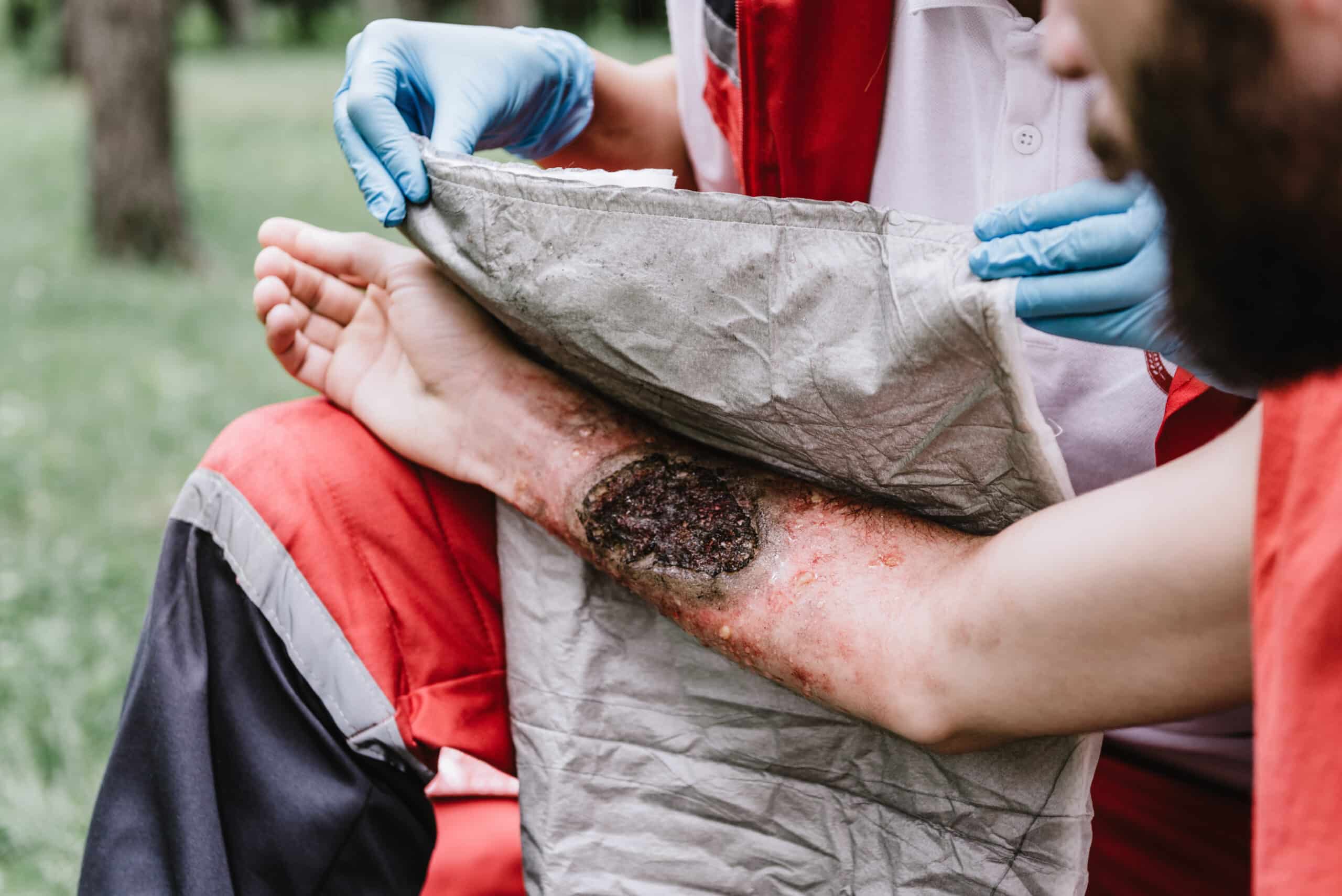
- Control bleeding Treat burns Manage sprains or fractures Respond to allergic reactions
Benefits of Dual Certification
Having twin qualification enhances your confidence and efficiency during emergency situations, making you an indispensable asset in any situation.
How to Do mouth-to-mouth resuscitation: Step-by-Step Guide
Understanding how to do mouth-to-mouth resuscitation appropriately is basic for saving lives.
Adult mouth-to-mouth resuscitation Procedure
Call for help (911 ). Position hands in the facility of the chest. Compress hard and fast (100-120 compressions per minute). Allow complete recoil in between compressions. Deliver rescue breaths if educated (30 compressions adhered to by 2 breaths).Child and Infant Adjustments
The technique remains similar but calls for adjustments:
- For youngsters, utilize one hand; for babies, make use of 2 fingers only. Compress at a shallower deepness ideal for their age group.
CPR Certificate Legitimacy: Recognizing Revival Requirements
Gaining certification is simply the start; recognizing how much time it lasts is also crucial.
Typical Validity Periods
Most certifications are valid for 2 years but might differ based on local guidelines or companies supplying training courses.
Importance of Recertification
Regularly renewing your accreditation ensures you're updated on existing techniques & & standards-- necessary provided just how quickly clinical expertise evolves!
Infant mouth-to-mouth resuscitation Technique: Unique Considerations Needed
Performing mouth-to-mouth resuscitation on babies needs particular strategies as a result of their fragility.
Key Methods for Baby Resuscitation
Assess responsiveness delicately by touching their foot. If less competent and not breathing normally, call for help. Use 2 fingers placed just below the nipple area line for compressions at a depth of concerning 1 1/2 inches. Give rescue breaths covering their mouth and nose together; deliver mild puffs without strong exhalation.Household mouth-to-mouth resuscitation Preparedness: Preparing Your Family for Emergencies
Being prepared in the house can make all the distinction during vital moments.
Creating an Emergency Plan
Discuss prospective emergency circumstances with family members members. Designate who will call emergency services while others provide aid. Keep emergency situation numbers visible near phones or conserved in mobile phone for fast access.Essential Equipment
Maintain a well-stocked first-aid set that Take a look at the site here includes everyday products like bandages together with equipment such as handwear covers and masks especially designed for performing rescues properly without taking the chance of contamination transmission!
Advanced Resuscitation Abilities: Specialized Training Opportunities
Beyond fundamental training exists innovative accreditations customized towards healthcare providers or those associated with risky occupations like law enforcement officers or firemans that deal with special challenges daily!
Healthcare Company Certifications
Look into recognized programs offering specialized programs concentrating on sophisticated air passage administration methods or pediatric emergencies-- skills which aren't normally covered under common accreditations!
This rundown continues comprehensively detailing several elements associated straight back in the direction of Advanced Resuscitation Abilities while including all essential key words & expressions seamlessly throughout.
I hope this gives you some understandings into structuring your short article! Would certainly you like me to proceed with more sections?